1. IMILUX: Immigration in Luxembourg: Probing Health and Its Socioeconomic Determinants in Older
Immigrant Population
2. PSOAMLux: The Panel Study of Older and Ageing Migrants in Luxembourg
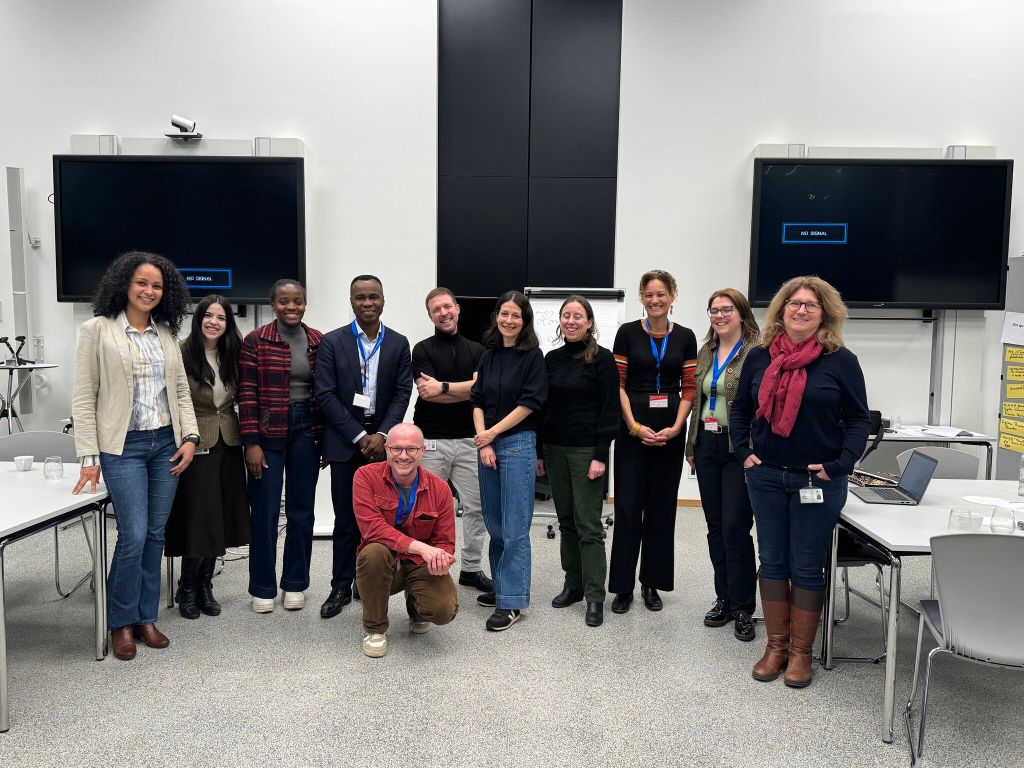
The healthcare needs of older migrants in Luxembourg, and the ways in which their life experiences shaped their health, remained largely unknown due to limited data and research. The PSOAMLux event, funded by the Institute for Advanced Studies (IAS) Luxembourg as part of the Brainstorm Call 2024, aimed to address these gaps by bringing together local and international experts to develop an actionable plan for a panel study on ageing migrants in Luxembourg.
Principal Investigators Prof. Adrian Stanciu (FHSE – Behavioural and Cognitive Sciences), Prof. Dr. med. Jochen Klucken (LCSB – Digital Medicine), and Dr. Ana Carolina Teixeira Santos (FHSE – Social Sciences) led three days of insightful presentations and discussions, where participants engaged in debates on ageing, migration, methodology, and ethics, concluding with a public panel discussion and closing ceremony on March 13.
3. MEDITAGING: Mindfulness Training in Aging: The Effects of a Stress Reduction
Program on Portuguese-speaking People aged 55+ in Luxembourg
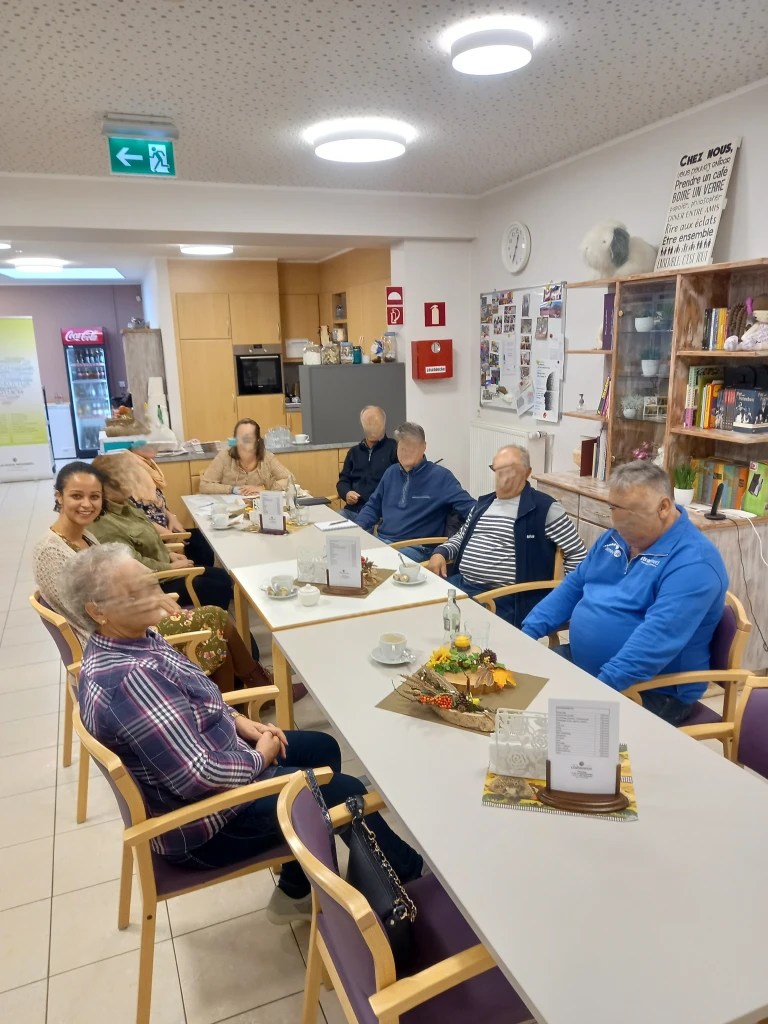
The rapid growth of the older population was a worldwide phenomenon. Aging was associated with cognitive alterations and an increased risk of dementia. Additionally, migration was closely related to this topic in Luxembourg, as the first generation of immigrants from the 1960s and 1970s had become older adults. About 46% of the population older than 60 were migrants, and it was estimated that 32% of the foreign population was Portuguese. Most of these individuals had very low educational levels, occupied low positions in the social structure, and had poor emotional support, with many facing language barriers because they were not able to speak French, German, or Luxembourgish. These circumstances had a considerable impact on their lives, including an increased risk of dementia. Considering that about 46% of Portuguese immigrants living in Luxembourg reported not planning to return to Portugal, while 25.2% planned to commute between Portugal and Luxembourg, it was of utmost importance to validate interventions that promoted healthy aging in this vulnerable group.
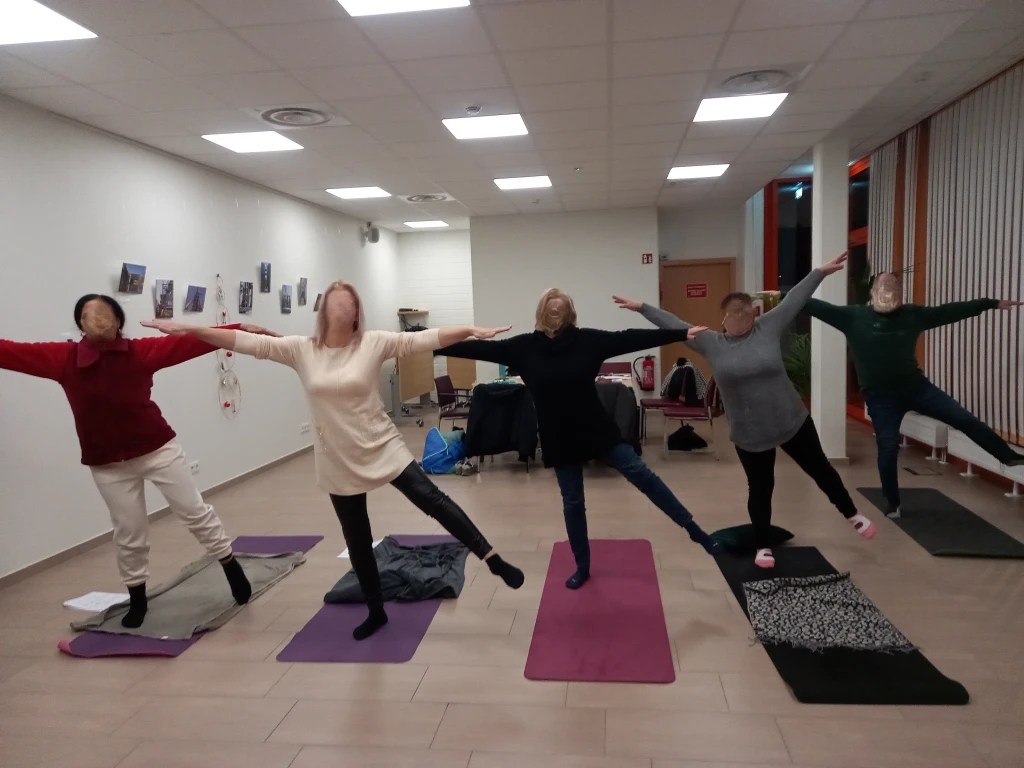
In this regard, mindfulness-based interventions, such as the structured program called Mindfulness-Based Stress Reduction (MBSR), had been gaining increasing attention. Mindfulness was described as the act of intentionally paying attention to present-moment experiences without judgment. The MBSR was a training program that included ancient techniques such as meditation practices (sitting and moving), yoga, body awareness, group exercises, and reflections on daily stressors. Previous studies had shown that mindfulness-based interventions had effects on many aspects of cognition (e.g., attention and memory), as well as on emotional states, sleep-related problems, and quality of life. However, only a few studies had examined its potential to counteract age-related cognitive decline, especially in vulnerable populations. Accordingly, the MEDITAGING project aimed to investigate the feasibility and effects of MBSR in Portuguese migrants in Luxembourg aged over 60, in comparison with a Health Enhancement Program (HEP). The HEP was an active control condition for MBSR that included components such as music, nutrition, and physical activity. HEP sought to develop or reinforce habits that increased well-being and promoted various aspects of health, but did not include the mindfulness component of MBSR.
The programs were structured in eight weekly meetings in two different groups (HEP and MBSR), each session lasting an hour and a half. Midway through the programs, a four-hour retreat was offered, providing participants with the opportunity to experience the techniques in a deeper way. The programs also included activities to be practiced at home, with daily practice of approximately forty-five minutes being recommended. For home practice, participants were provided with support materials, including audio recordings and printed handouts with the activities.
The effects of the programs were assessed through psychological evaluations (to measure cognitive functions, depression, and perceived stress), cardiac measurements (heart rate variability, which is associated with the ability to manage thoughts, emotions, and goals), and salivary cortisol levels throughout the day. Cortisol level was considered a physiological marker of stress. Stressors could affect neuroendocrine functioning via the hypothalamic-pituitary-adrenal (HPA) axis, impacting cortisol secretion and compromising stress responses. Dysregulation in cortisol secretion had been associated with inflammation, which could contribute to many aging-related health conditions such as insomnia, late-life depression, cognitive decline, Alzheimer’s disease, atherosclerosis, insulin resistance, diabetes, and metabolic syndrome. Therefore, including a stress biomarker alongside cognitive outcomes in this study allowed the researchers to infer whether MBSR had an impact on the HPA axis, potentially modulating physiological functioning and contributing to preventive health effects. A qualitative assessment was also conducted to evaluate the feasibility of the program and its perceived benefits. Participants were followed for three months to determine whether the effects were sustained over time. Additionally, the study tested whether gender, years of formal education, sleep quality, stress, and depression moderated the effects. This provided a more detailed explanation of the mechanisms underlying mindfulness training and could inform more individualized interventions in the future.
The team believed that MEDITAGING would provide crucial knowledge on interventions designed to enhance cognitive functioning and affective states in vulnerable older adults, thereby having a positive impact on their health and well-being.
MEDITAGING was funded by the National Research Fund Luxembourg (FNR). Dr. Ana Carolina Teixeira Santos, a psychologist with neuropsychological expertise, carried out the mindfulness intervention and evaluated its effects jointly with Prof. Dr. Anja Leist (University of Luxembourg) and Dr. Jean-Paul Steinmetz (ZithaSenior).


4. PREDICTOR: Cognitive control as a surrogate of age-related cognitive decline: a predictive model with multimodal brain imaging
5. GABT: Getting the aging brain to train: a working memory and neurostimulation approach.
The main objective of this project was to explore the contributions of cognitive stimulation in healthy aging, by evaluating the effect of computerized training associated with neurostimulation in older adults.
The RUTIS association (Associação Rede de Universidades da Terceira Idade) jointly with PSE attributed an honorary Academic Prize to Ana Carolina Teixeira. The “Prémio Académico RUTIS/PSE 2021 – Envelhecimento Activo” awards research dissertations in the research topic of active ageing and senior universities that have been concluded between 2020 and 2021.

Collaborations: Bomfim Foundation partner in scientific study “Getting the aging brain to train: a working memory and neurostimulation approach”
 Dr Ana Carolina Teixeira-Santos